Practice-based professional doctorate · Hogeschool Inholland · 2026–2030
About Temporal Constructs
Temporal Constructs
Redistributing Creative Agency between Humans and Intelligent Machines


Temporal Constructs is a practice-based professional doctorate in the arts, conducted by the composer and media archaeologist Jacco Gardner between 2026 and 2030 at Hogeschool Inholland, in the research group Innovation in the Music Industry. This research practice focuses on the history of music technology, Media archaeology, the creation of Artistic Output, design and engineering of working Systems for other practitioners, and research into theoretical frameworks. Specifically the practice investigates how a human practitioner and AI agents can create music and Media art together on accessible hardware such as the Raspberry Pi and on older systems from the MIDI era (1983 to the late 1990s). The AI agents are large language models that can operate Legacy technology thanks to programming languages and protocols, while the practitioner works with these agents in conversation.
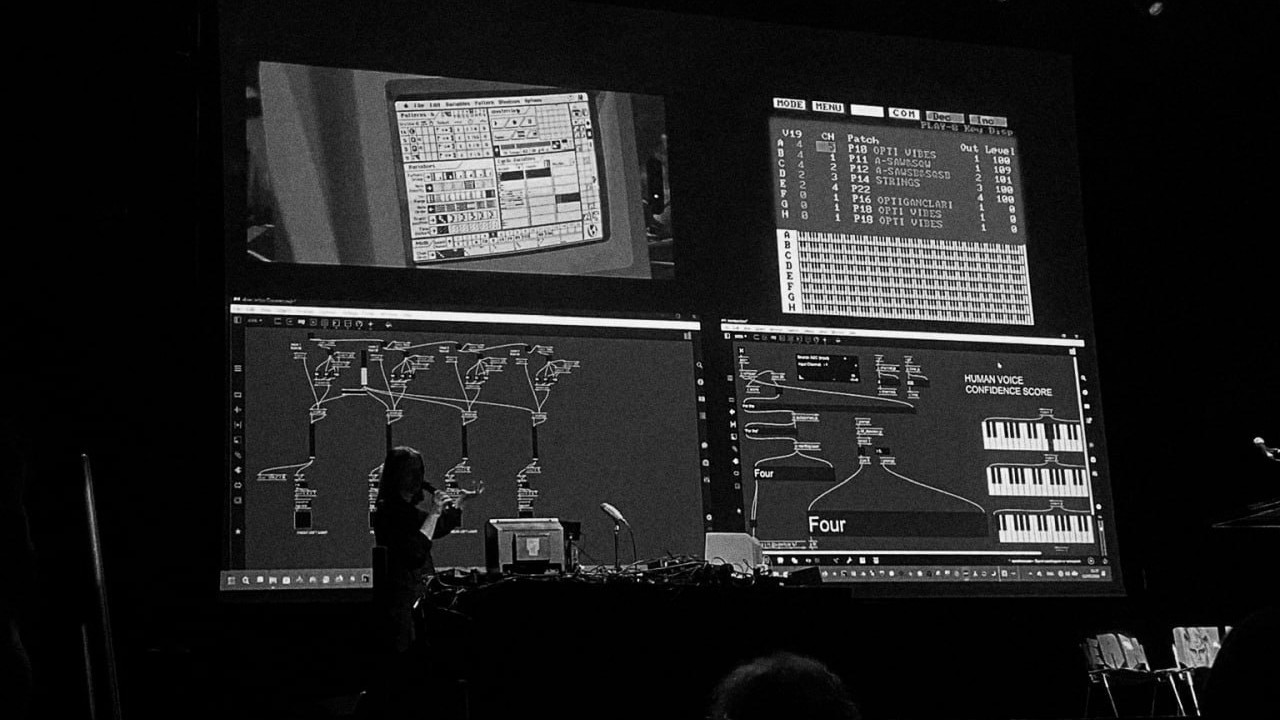
The demonstration at Doornroosje in Nijmegen, 11 March 2026: the sequencer M driven by voice, the voice confidence score and the four voices, with the display of the Roland S-330
The research question
What form of creative intelligence surfaces when artists and AI agents create within the rule-based instruments of the MIDI era, preserving digital heritage through AI-extended active use, and what makes this practice transferable to other practitioners?
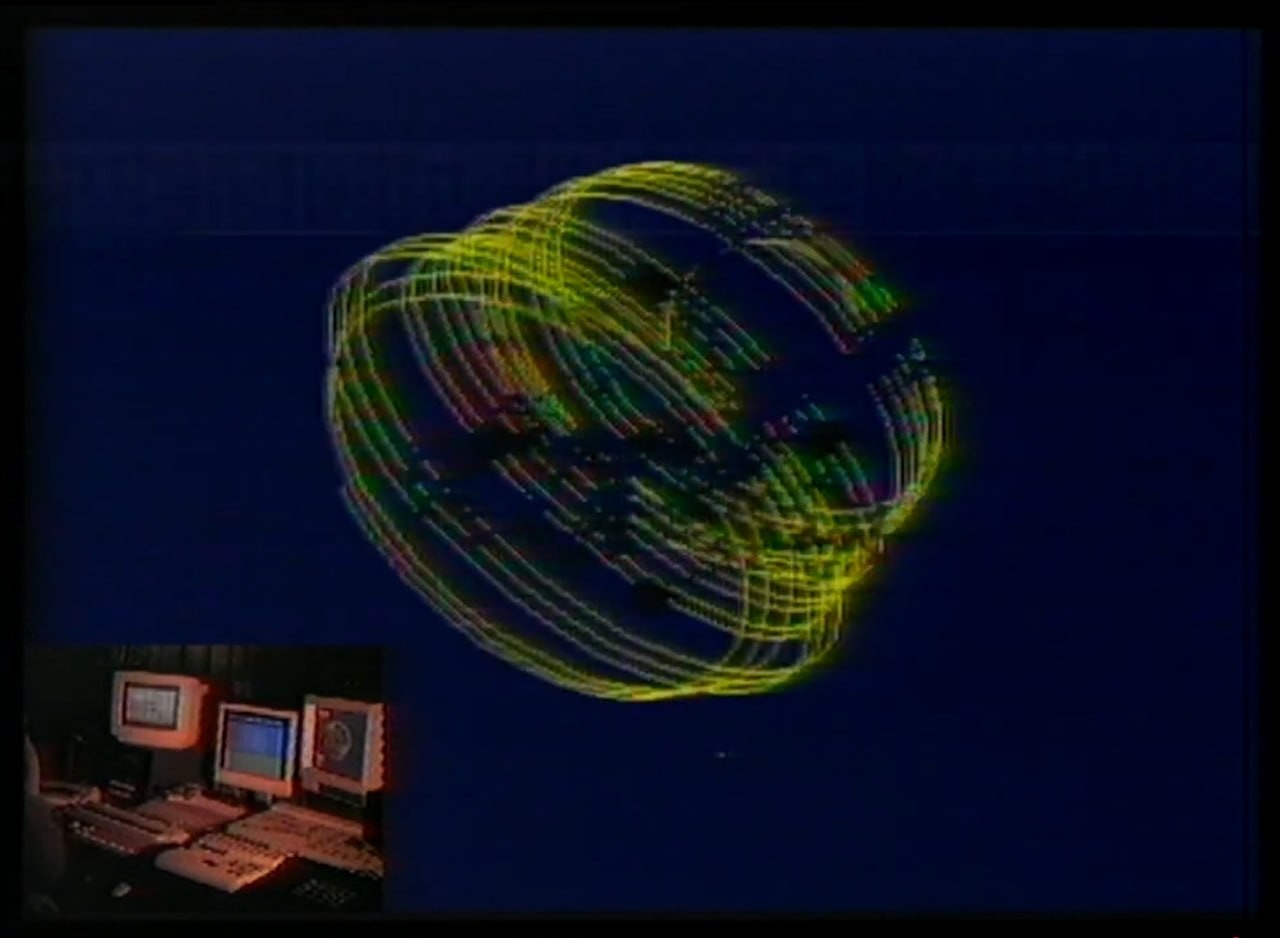
Gardner performing an audiovisual improvisation for Amsterdam Dance Event, October 2020 using Trip-A-Tron and M, both running on Atari ST, and a Roland sampler
The Living Archive
This "living archive" was made in collaboration with Hermes Agent. Hermes Agent is involved in many aspects of this research practice.
By Living archive we mean an archive that is not only kept for the sake of the archive itself, but also to be able to become useful for this artistic practice: historical machines and the languages are used actively and the material generated keeps growing. This ecosystem can be understood as a kind of "garden", where history-oriented pages appear as ancient trees still growing and conditioning a living ecosystem.
This archive is maintained by a database that will be growing for the duration of this research.
The core of the research practice can be understood from this main page, and optionally more paths can be explored through linked pages.
Seven categories can be found at the bottom of this page, where the work is set out in turn: the research, the artistic output, the instruments, the practice, the people, the fields and the study.
While some media has been added to the archive, more will be added in the upcoming months and years.
Temporal Constructs is an Artistic research practice, which means that the Artistic Output is an essential part of the research itself. The making is therefore not an illustration of the argument but the place where the argument is generated. The practice produces music compositions and media art installations, such as ALTERITY, along with a working record of how each was made. The research investigates what happens to creative agency when the human and the AI share the same instruments, and whether this way of working might preserve digital heritage through active use. It aims to do so for the practice itself as well as for other practitioners.
the research
Creative practitioners are losing the ability to think with their tools, as opaque systems that decide for them take the place of instruments that can be understood. Legacy instruments, compared to modern systems, are often transparent enough for users to understand, so they can push their limits creatively, but also become embedded in creative thinking.
A second concern is a kind of amnesia about digital heritage. The collaborative principles that were written into the machines of the MIDI era, the period from 1983 to the late 1990s, when instruments and computers were connected through MIDI (the Musical Instrument Digital Interface) are being forgotten, and it happens at a moment in time when remembering them would be useful, a moment in which the pioneers who built and worked with them and who understand these instruments deeply are retiring. Practice problem describes what is at stake.
Research question
In plain terms, this question asks what happens when artists and AIs make work together on MIDI-era instruments that follow fixed rules, whether this can potentially give digital heritage a second life, and whether other practitioners can adopt the practice to explore what this rich history has to offer.
The research question of this practice focuses on what happens to creative agency when both the human and the AI work with the same instruments, and within a shared environment. "Agency" in this context refers to the ability to take decisions that contribute meaningfully to the artwork. When AI "works" only in "its own" environment, these decisions are often invisible to practitioners who work with it. When the human and the AI create together in an environment where creative decisions are visible, new forms of interaction can surface.
When these decisions are not visible, such as in the case of most generative music or video AI, creative practitioners may be less involved in the process of creation, and creative results may become more important than the act of play. Skipping playful open-ended experimentation and going straight to results leaves little space to explore, and little room for a process in which practitioners can grow with and connect to the cultures they engage with.
Temporal Constructs investigates whether conversation in natural language with large language models (LLMs) can allow a new kind of engagement with human digital heritage.
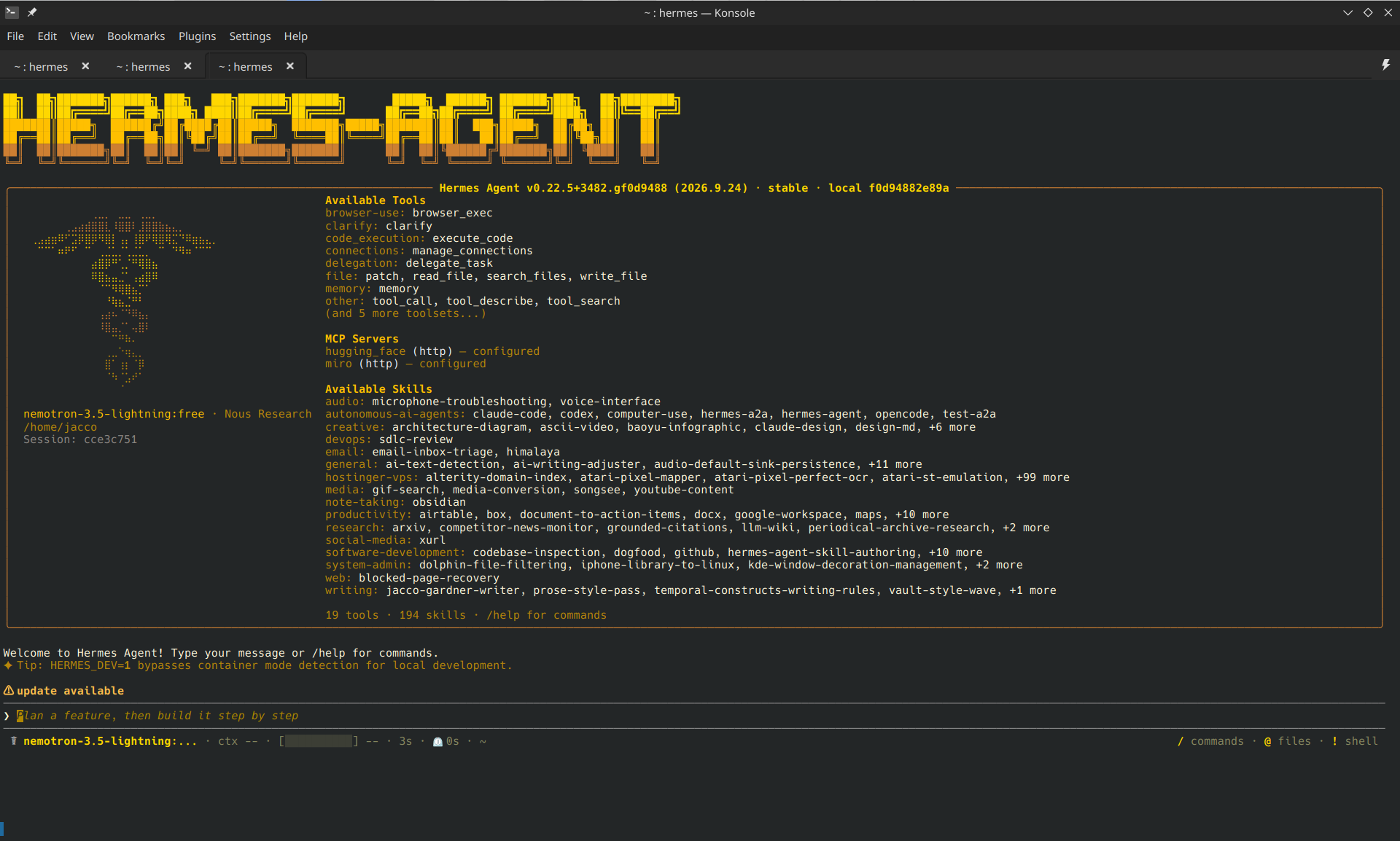
Hermes Agent, November 2026
The LLMs can become knowledgeable of the systems the human works with, which is useful, but the AI can also operate these systems themselves, which is why they are referred to as AI agents and not just generic chatbots. The fact that these agents can both converse in natural language and engage with legacy technology intended for human users may allow for a new kind of creative process.
Traditionally a newcomer to legacy technology would need to uncover the intended use by consulting the original user manuals, and while this has worked fine for some, the moment of looking up information or solving an issue was not always directly part of the creative flow-state itself, especially with modular digital systems.
The limitations and the possibilities of such a system only become clear after a period of learning, which naturally takes lots of time. In Gardner's experience, learning how to use a system creatively, learning about the culture that produced it, and using the system for self-expression are each highly rewarding but often happened in separate moments. For Gardner reading about these instruments in their original user manuals, digging through archives like Muzines or following electronic-music-focused content creators like Drew Schlesinger helped build a unique relationship to the physical hardware and the contexts they came from.
This research practice investigates whether conversational agents can allow the combination of these processes into one experience, where the agent can demonstrate the system while explaining how it works, why it works that way, and how the way they work has contributed to the creative expression of practitioners in the past.
Here Gardner draws on his own experience, where this kind of research has contributed to his own self-expression and to the development of his practice. This experience is the starting point of the research and is not treated as evidence. It comes from the assumption that a wider understanding of the cultural context that produced a system, helps a practitioner to understand how it works. It also draws from the assumption that LLMs can become aligned to the understanding of the human through conversation. A further hypothesis is that they become useful as a thinking tool.
By sharing creative thinking during the creative process, the research explores whether creative decisions can be shared by design. If so, the research asks whether this can result in a new form of Distributed authorship, in which decisions are made at different points, and how those points relate to each other.
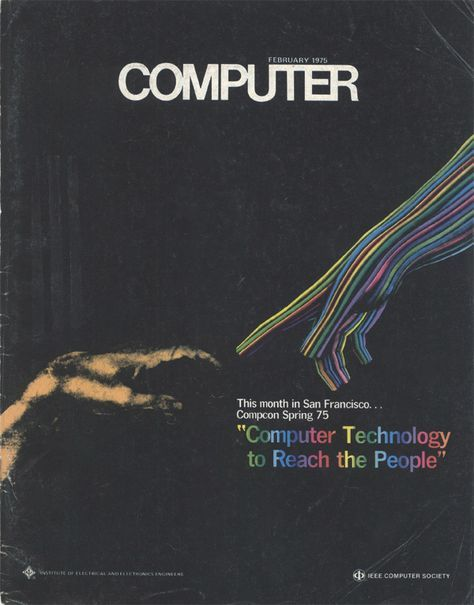
Computer Magazine (1975)
The historical time period studied for its systems and protocols is referred to as the MIDI era. This period began at the start of the digital revolution, when personal computers became creative tools for individuals, and craft knowledge, as the research reads it, was built into the tools themselves. The research sets out to uncover what may be lost when newly developed creative tools block access to human culture and asks in which cases the practices are replaced entirely.
Artistic Output
Each work is made to show audiences the making process and to involve them in it. Through those encounters audiences are given access to the practice and the ideas it builds on. This living archive, in which heritage is kept in active use, can take the form of media art installations, through exhibition and through live performance, where audiences can witness how the history-focused installations can extend human expression in real time.
The live performances are improvised within specific pre-determined conditions, like when we make a preset in preparation for an improvisational performance. The instruments make these preset conditions visible, so the audience can connect with the process as well as the result.
One of the works is ALTERITY, a cross-media performance installation that combines 1980s intelligent instruments with contemporary AI.
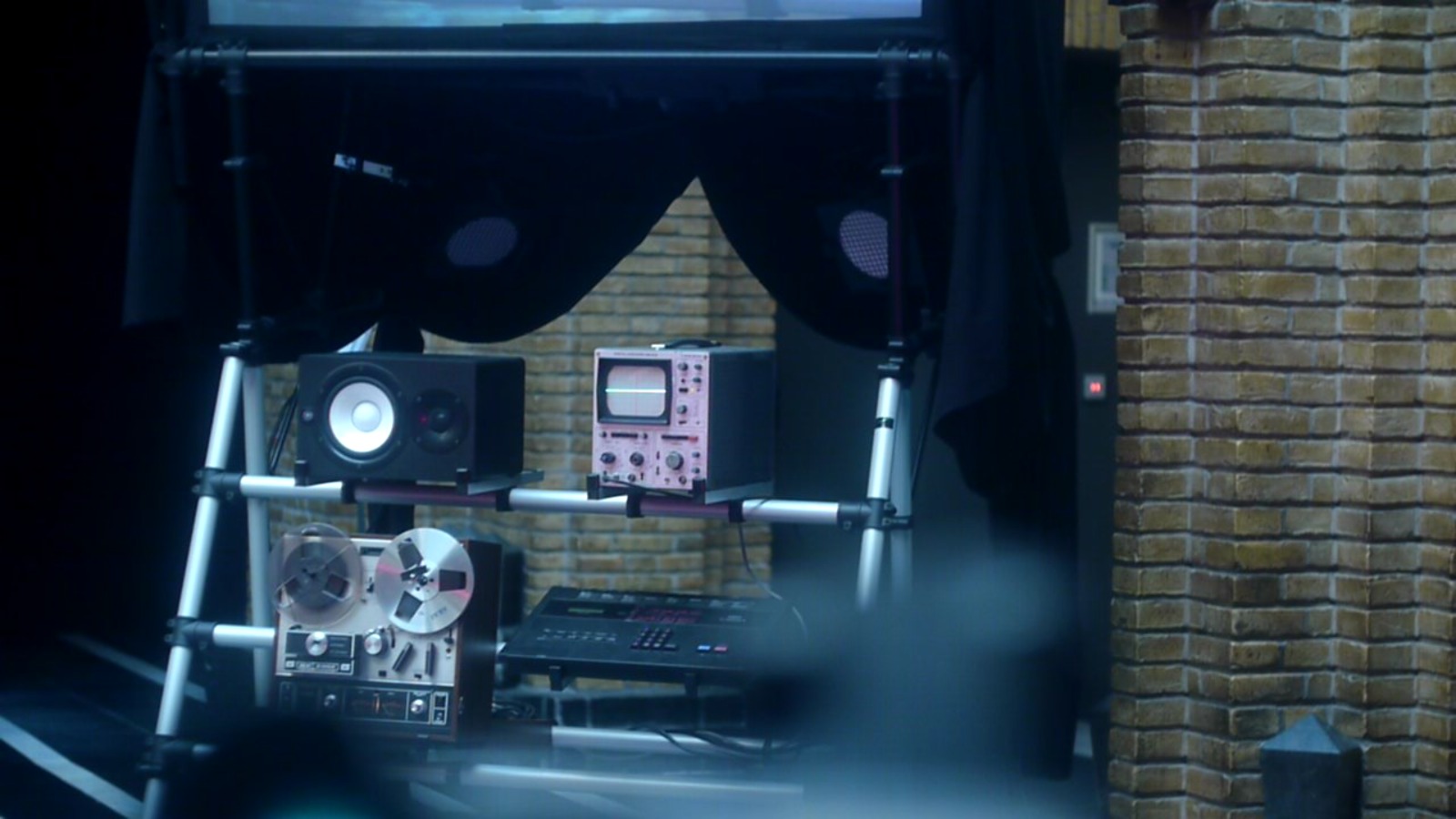
Alterity at NFF Storyspace, September 2026
the instruments
The instruments here are systems made during the MIDI era. The practice uses them for sound design, composition, performance, visuals and lights. Sometimes hardware and software are separate systems and are joined through programming languages or protocols.
The laboratory, meaning the practice's working setup of instruments, software and agents, works with both kinds and makes them available to agents and practitioners for creative use. The work is made with the agents and the software and hardware that the MIDI era produced, much of which is now considered obsolete. This practice challenges that notion of obsolete, which it takes to derive from a linear view of progress, and develops tools intended to bring different eras of technology in dialogue with each other.
Most of the machines studied here were designed during the MIDI era, when personal computers were new. Interactive computing had until then been available mainly in expensive laboratories, and it was becoming available to individual users for the first time. The interaction models that are now familiar had not yet become established.
The research proposes that, in this period, designers could imagine machines as intelligent collaborators in creative work. It also proposes that designers of the period aimed at a relation between human and machine that differed from the later standard. In this relation the human and the machine would depend on each other, which this text describes as symbiotic. The performer's part in that relation is closer to what Joel Chadabe called steering: not controlling the music note by note, but influencing the direction of a process that is largely running on its own. The research examines the evidence for these proposals.
The machines operate according to rules. Many of these rules support co-creation, which, the research proposes, gave the machines a degree of creative agency of their own. The research investigates whether the designers intended this agency.
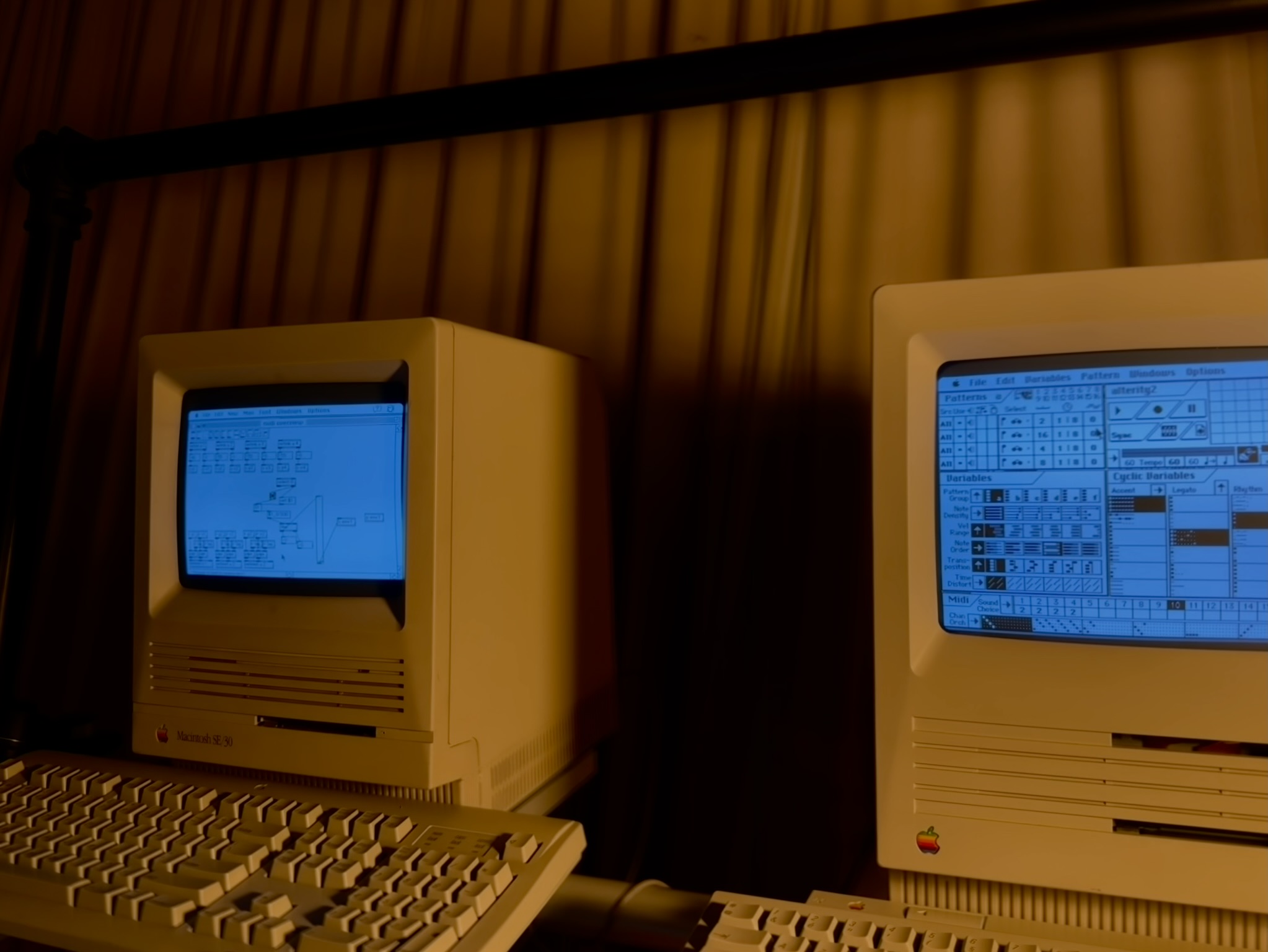
Each machine has a defined set of functions and a limited amount of memory, particularly when compared with present-day computers. The research treats these limits as a condition that makes the work possible, and not as a deficiency.
Because the functions are limited, everything that such a machine is documented to do can be listed. The research uses this list as a set of rules that an AI system can work within.
The game of chess provides a comparison. Chess has fixed rules and a closed set of permitted moves, and these properties made it suitable for the development of the Deep Blue chess computer. The research proposes that the instruments studied here are similarly limited and rule-based, and that for that reason they are suitable as a setting for collaboration with AI.
the practice
The artificial intelligence that works with the practitioner is one or more large language models. These models are used in modular configurations, and they work inside the legacy creative systems described above. The models reach the hardware through the Hermes Agent framework, which gives an agent access to the instruments. In this way the laboratory connects AI to physical instruments and technology that already exist, using interfaces that were originally designed for human users.
The programming languages and interfaces of these machines were designed for human users, and people learned to think and create through them. An agent that works through the same languages and interfaces may be able to follow a practitioner's creative decisions in the terms that the practitioner uses.
The agents work at the boundary between digital processes and physical instruments. The research investigates whether this boundary can serve the agents as a counterpart to embodied experience, and whether they gradually become familiar with the creative environments they work with.
The AI used here does not generate sound or visuals directly, as generative sound and video models do. Language models are chosen because they can work in the symbolic domain, meaning text, code and symbolic music data such as MIDI messages, and with programming languages, which are the languages that were created for humans to operate these machines. The agents cannot hear or see the result of their decisions in the physical world. They depend on the rules available to them to understand what they can do creatively, and how those limits might be overcome.
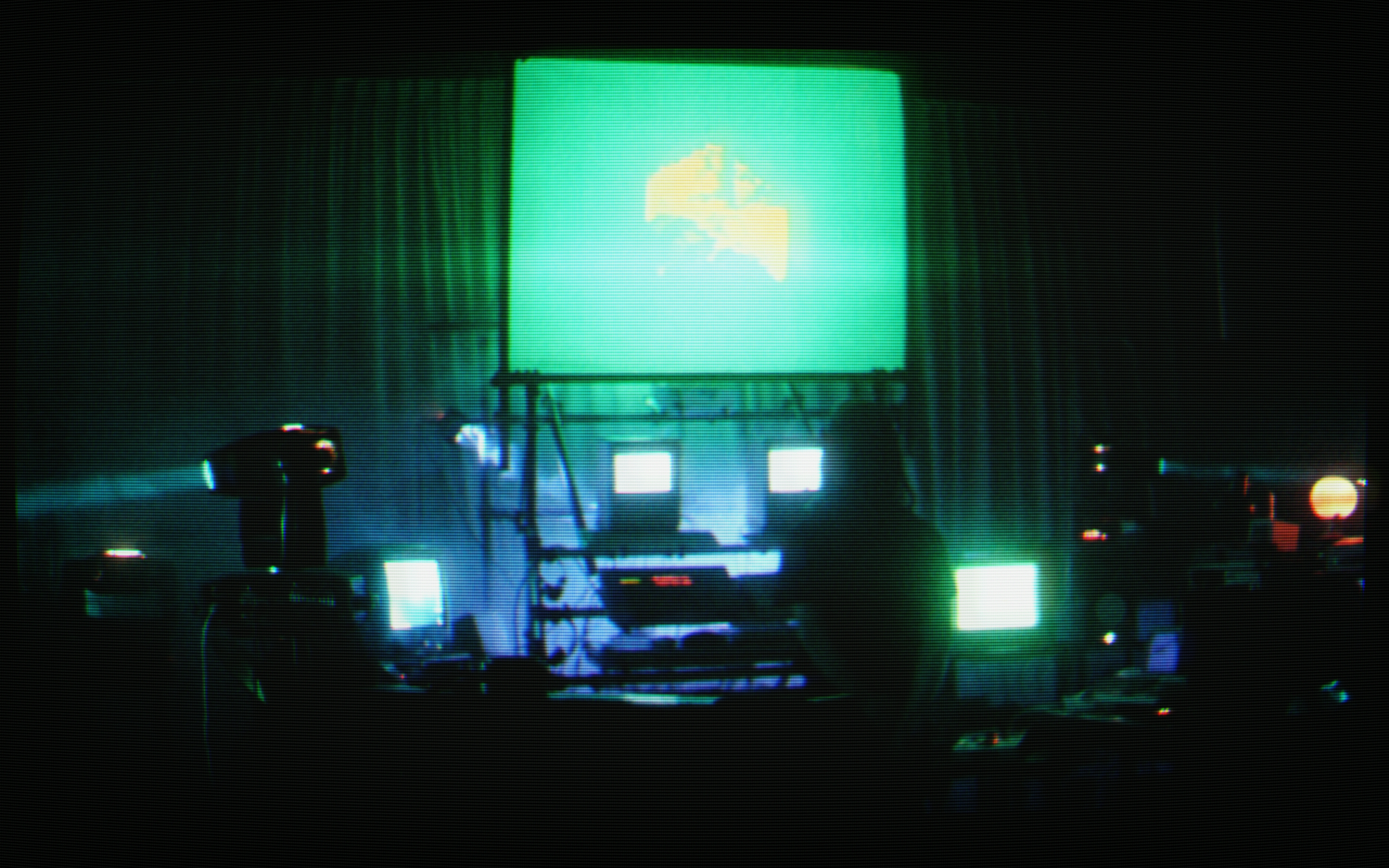
The research proposes that the AI agent needs to be in conversation with a person who is present in the physical world, because it cannot fully understand the consequences of its actions without human perception. The exchange is often improvised, because the artist responds to what the system produces during the creative process.
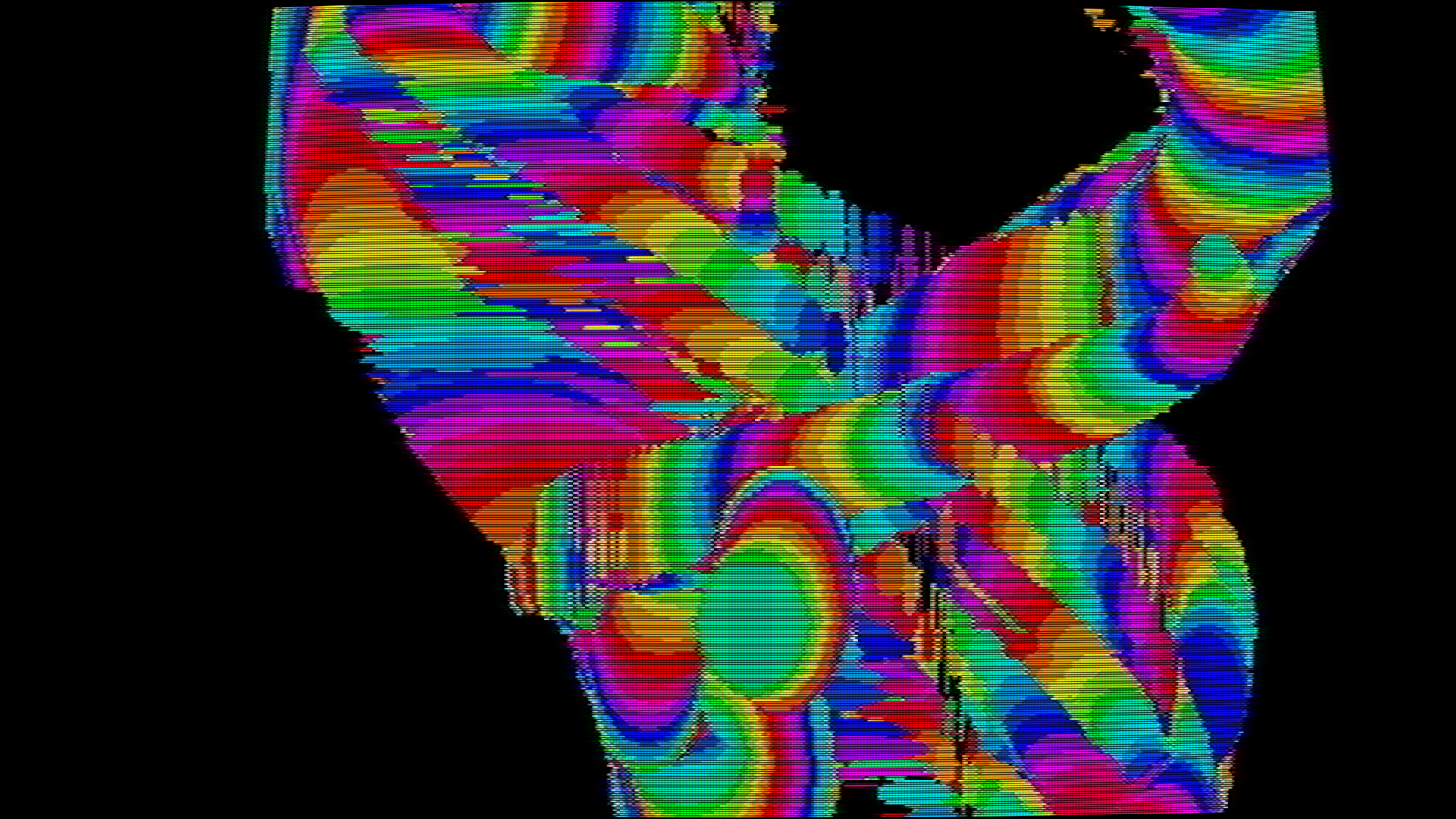
An example is the colourful image shown above. An AI agent wrote the program in KML, the Atari ST displayed the image, and the practitioner could see the result, which the agent could not.
The human can choose which work to delegate to AI agents and how much of it. The human can also choose to stop working with them altogether at any point. The research aims for this kind of redistribution of creative agency. The distribution is not fixed in advance, and the practitioner can change it during the creative process as a form of experimentation. The tools required for this kind of experiment are developed in the laboratory and shared with other practitioners in the open-source community.
the people
The people and organisations the doctorate works with, and what each of them contributes.
Four supervisors guide the research. Koos Zwaan supervises at Hogeschool Inholland, which hosts the doctorate. Nick Degens supervises at HKU. David Zicarelli is the work-field supervisor, and he co-designed M and Jam Factory and develops Max, so he belongs to the lineage the research studies as well as to its supervision. Drew Schlesinger is the professional supervisor, a sound designer whose factory presets are part of what the research examines. More than one of these positions is held by a person the research also studies, and each page states that as a caution: supervisory conversation is kept apart from recorded interview material.
The partner organisations connect the research to the fields and communities it works with. Cycling '74 connects it to the users of Max, Llamasoft to the lineage of Trip-A-Tron and KML, V2_Lab to media art, Thunderboom Records to working musicians, and Fostering Creative Agency to the institutional agenda on AI and creative work.
ALTERITY was made with further collaborators, and each is named on the work and listed on Network by the part they played, among them the dramaturgy and script, the production, the video and animation, the design research and the hardware. The venues that showed the work are listed there as well.
the fields
The disciplines the doctorate draws on, and what it takes from each.
The doctorate is written within the tradition of artistic research. It investigates the MIDI era through media archaeology, music technology and computational creativity. The research question is addressed through the practice itself, and the works and the laboratory form part of the argument.
Part of the evidence is a working record. The record keeps the working sessions, so that what was decided, how each session went and what it produced can be traced. The analysis of this record has not yet been done.
The research also preserves oral history. It also aims to describe what another practitioner would need in order to take up this practice, so the practice itself becomes transferable.
the study
The institution that hosts the doctorate, the programme that sets its requirements, and the assessment that judges the result.
The doctorate is a Professional Doctorate within the national PD Arts and Creative pilot, and it runs from 2026 to 2030 at 0.8 full-time equivalent. Hogeschool Inholland hosts it in the Innovation in the Music Industry research group, and a team of academic and professional supervisors guides it. In November 2026 the research is in its first year.
Within the programme the First-year review and the go-no-go assessment are the points at which the supervisory committee decides whether the work continues, and that assessment falls in the early months of 2027. The final assessment then judges the portfolio of what was made.
The doctorate assumes throughout that a work can be read as a trace of the thinking that produced it, and not as a result alone. The portfolio is judged on that assumption. What the doctorate has actually done, and when, is kept in the Activity record.
the first year
A short account of what the doctorate has done in its first year, for a reader who wants to start there.
The living archive
The archive we are building stays in use, and that is what makes it living. It holds the machines and the languages written for them, the recordings of the runs, and the sessions with the people who built them, and the agents keep adding to it by playing the instruments, so the collection grows while the work goes on. The knowledge of this period is kept by the people who made it, and the archive is answerable to them, and in the last years of the doctorate it passes to the community around the practice.
Page glossary and related terms
They are listed here in case a deeper look into the practice and its archive is of interest, or, if any concept sparks curiosity, the reader is free to explore. Reading them is usually not required to understand the core of this research, which is a good thing, as altogether it is quite a lot. They are here to show the depth of the research practice and the variety of topics it is interested in.
- MIDI - MIDI era - KML - Atari ST - Composition - Hardware - Performance - Improvisation - Occasions - Intelligent instruments - Intelligent machines - Rule-based instruments - Systems - The laboratory - Legacy technology - Protocols - Programming Languages - Creative agency - Agency - Practice - Practice-based research - Research - Professional Doctorate - Jacco Gardner - Artistic research - Artistic Output - Hermes Agent - AI agents - Media art - Language models - Conversation - ALTERITY - Heritage as living practice - Thinking with and thinking for - Practice problem - creative intelligence - Generative models - Play - Distributed authorship - Authorship - Living archive - Non-linear progress - Co-creativity - Artificial intelligence - Symbolic domain - The first year - Music technology - Legibility - Decision - Transferability - Hogeschool Inholland - Innovation in the Music Industry - Practitioner - Media archaeology - Computational creativity - Session record - Oral history - PD Arts and Creative pilot - Portfolio
The archive
Seven sections — start anywhere